Flowers blooming on Grounds in the spring
Collection

Teaching Strategies for Reducing Faculty Burnout

The resources in this collection point toward sustainable strategies faculty can adopt to reduce the cognitive, emotional, and affective loads of teaching, whether or not their institutions are making structural changes to reduce faculty burnout.

Updated June 2026
Chavella T. Pittman headshot
Professor of Sociology, Dominican University
View Bio

The Norton Guide to Equity-Minded Teaching

Isis Artze-Vega, Flower Darby, Bryan Dewsbury, and Mays Imad

This guide offers practical teaching strategies for helping all students succeed in the college classroom. It's available as a free ebook for instructors; all you have to do is register.

Headshot of Chavella T. Pittman
Chavella T. Pittman

The instructional design described in this book benefits not only students, but also faculty by reducing some of the cognitive, emotional, and affective labor faculty often expend when responding to stressed students.

View excerpt

The Norton Guide to Equity-Minded Teaching

Isis Artze-Vega, Flower Darby, Bryan Dewsbury, and Mays Imad
Open resource

Looking to make your teaching more inclusive? Start here.

Written by renowned teaching and learning experts, this guide offers concrete steps to help any instructor striving to ensure that all students—and, in particular, historically underserved students—have an equal chance for success. Here you’ll find actionable tips, grounded in research, for teaching college classes online, in person, and everywhere in between.

Was this resource helpful?

Transparent Methods

TILT Higher Ed

The Transparency in Learning and Teaching (TILT) project describes how transparent teaching methods (e.g. clarifying expectations, helping students understand how they learn, engaging students in grading and feedback) can increase student learning and persistence.

Headshot of Chavella T. Pittman
Chavella T. Pittman

When students aren't clear about instructor expectations and boundaries, that can generate extra emotional and cognitive labor for faculty. As a result, practicing transparent teaching as described by the TILT project can enhance faculty well-being.

View excerpt

Transparent teaching methods help students understand how and why they are learning course content in particular ways. This list of options is adapted frequently as faculty participants identify further ways to provide explicit information to students about learning and teaching practices. Faculty participants usually employ one option from the list and students indicate the impact of this small change when they complete an online survey (taking about four to five minutes) at the end of the course.

Was this resource helpful?

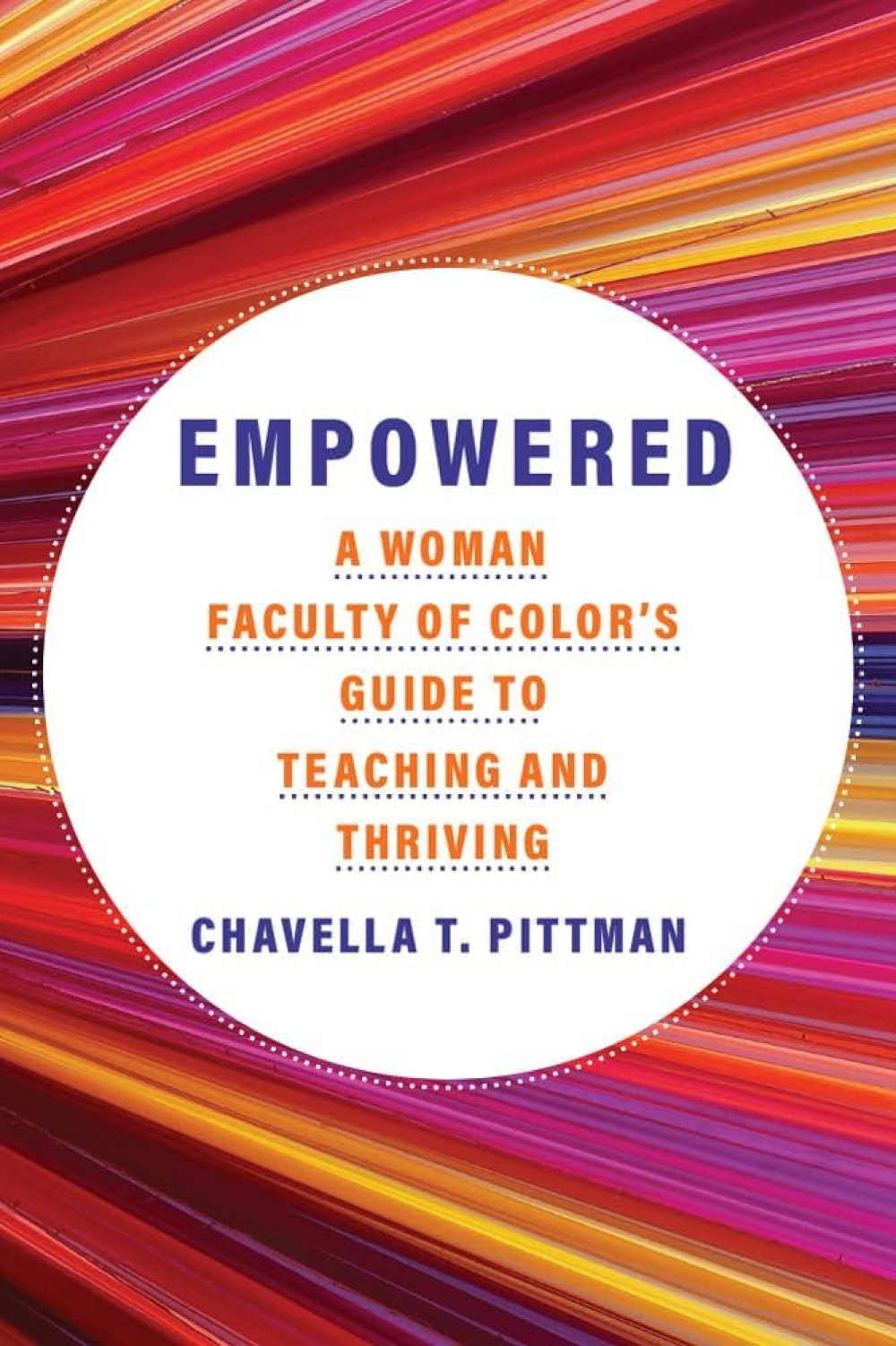
Empowered: A Woman Faculty of Color's Guide to Teaching and Thriving

Chavella T. Pittman

This book describes how women faculty of color can be unapologetically authentic in the classroom, speak up in reviews about classroom excellence, and recover a sense of joy in teaching.

Headshot of Chavella T. Pittman
Chavella T. Pittman

This resource is beneficial for improving faculty well-being because it shares evidence-based strategies for dealing with patterned sources of excessive faculty cognitive, emotional, and affective labor. 

View excerpt

Experience tells us, and studies confirm, that women faculty of color are among the most overworked, unfairly criticized, and least rewarded individuals serving higher education today. They are also the most thwarted when it comes to the basic goals of an academic career: tenure, security, and personal satisfaction. This, despite ranking as some of the most talented teachers we have: Women faculty of color disproportionately overdeliver on higher education's loftiest promise—preparing students to contribute to the world. In this book, these highly effective, overworked, underappreciated women will find expert guidance, encouragement, and practical steps to meet the outsized challenges women of color face in academia, and finally get what they've long since earned.

In Empowered, Chavella T. Pittman distills decades of practice to show women faculty of color how to be unapologetically authentic in their teaching, speak up in reviews about their classroom excellence, and to offer themselves compassion. And, how to recover a sense of joy in what they do. Drawing on extensive research, Pittman provides active measures for withstanding intersectional race and gender tensions, exercises to inoculate against toxic dynamics, and tools to resist being silenced and support being heard. Through these empowering strategies and exercises, women faculty of color can become the most powerful versions of themselves in their classrooms, and go on to make the most of their careers, contributions, and lives.

Was this resource helpful?

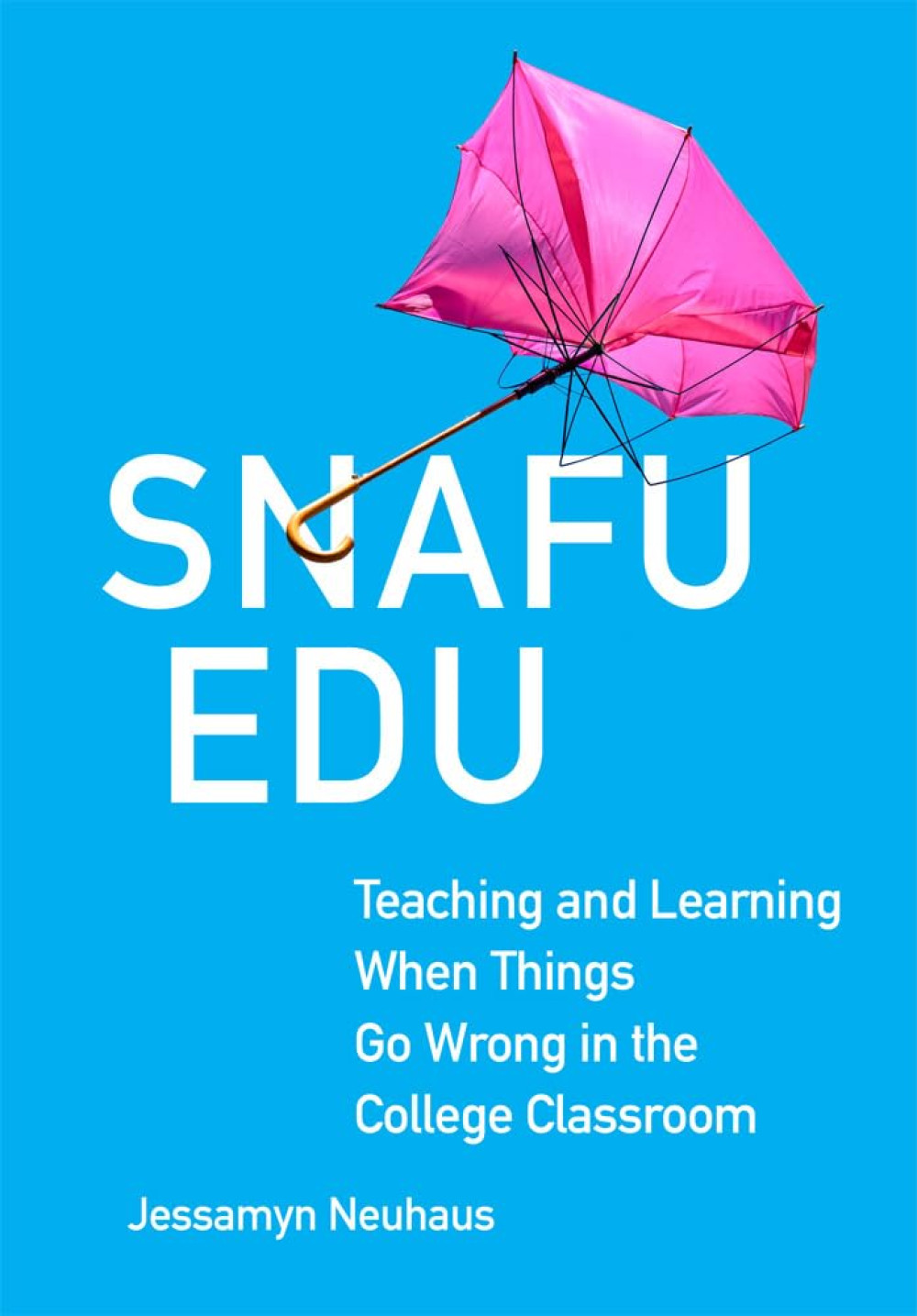
Snafu Edu: Teaching and Learning When Things Go Wrong in the College Classroom

Jessamyn Neuhaus

This book normalizes teaching mishaps and provides a framework for how to deal with them.

Headshot of Chavella T. Pittman
Chavella T. Pittman

This resource is helpful for faculty well-being because it encourages a rejection of the "perfectionism" that isn’t a sustainable teaching expectation and can lead to faculty burnout.

View excerpt

No matter how skilled, thoughtful, and well prepared professors are—or how motivated and engaged their students might be—things sometimes go wrong. In this empowering, smart, and refreshingly frank book, Jessamyn Neuhaus offers college educators a roadmap for anticipating and navigating these inevitable snafus—and keeping the course of teaching and learning on track. Clear-eyed about the rarely acknowledged foul-ups that teachers invariably confront, Snafu Edu provides evidence-based insights into why these things happen and practical, workable strategies for recognizing, responding to, repairing, and reducing them.

Snafu Edu identifies five major reasons for systemic and individual snafus in the field—inequity, disconnection, distrust, failure, and fear—and shows how understanding underlying causes can help educators perceive the problem and take appropriate measures. These measures are part of a problem-solving approach that Neuhaus calls STIR: stop, think, identify, and repair. She details course design principles and pedagogical practices to reduce major teaching and learning snafus by increasing equity, building connections, fostering trust, enabling success, and increasing agency for both educators and students.

Looking beyond “classroom management” and “conflict resolution,” Snafu Edu carefully and clearly grounds its lessons in the real context of education, where institutional structures, systemic injustices, individual and collective history, and the complexity of human interactions mean there will always be snafus. Like a preparedness kit for natural disasters, the book gives teachers an educational “go-bag” of insights, strategies, and practices to have at the ready when things go sideways.

Was this resource helpful?

Want to recommend a resource to add to this collection? Send us an email.