
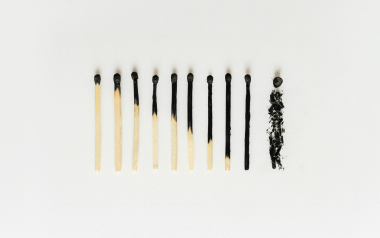
matches lined up, with each one more subsequently burnt
Collection

Reflecting on and Understanding Faculty Burnout

These resources help faculty recognize when teaching work and institutional conditions are exceeding sustainable boundaries and negatively affecting their well-being.

Updated June 2026
Chavella T. Pittman headshot
Professor of Sociology, Dominican University
View Bio

Exploring Faculty Burnout through the Healthy Minds Study

American Psychological Association

This research study reveals that a significant proportion of faculty are experiencing burnout due to work. It moves the discussion away from individual "stress" toward structured patterns of burnout that are connected to higher education work conditions.

Headshot of Chavella T. Pittman
Chavella T. Pittman

This resource is useful as it provides a research-based synopsis to help teaching faculty determine if what they’re experiencing aligns with burnout. It also normalizes faculty burnout as a structural issue vs. as an individual failing.

View excerpt

The HMS Faculty/Staff Survey analyzes toll taken on health using two measures:

  • “In the past 12 months, my job has taken a toll on my mental or emotional health.”
  • “Supporting students in mental and emotional distress has taken a toll on my own mental and emotional health.”
Out of all professors/instructors, 58% noted that the job had taken a toll (63% from 4-year institutions and 46% from community colleges). It might seem like supporting students in mental and emotional distress would be a small facet of the job. However, 90% of faculty agreed that “student mental health is significantly worse now than when they began their careers,” and 72% of faculty in the sample said they “had one-on-one conversation/s with a student about their mental or emotional health in the past year.” By the same token, close to half (47%) of faculty reported, “Supporting students in mental and emotional distress has taken a toll on my own mental and emotional health.”

Was this resource helpful?

A Two-Minute Burnout Checkup

Harvard Business Review

Teaching faculty can use this simple (and non-clinical) tool to gauge their level of burnout (if any).

Headshot of Chavella T. Pittman
Chavella T. Pittman

This article defines factors that lead to faculty burnout and provides a short non-clinical self-assessment faculty can use to identify the factors causing them the most stress.

View excerpt

What, Exactly, Is Burnout?

One misconception about burnout is that it’s the same as exhaustion. But in chatting with Dr. Christina Maslach, a leading burnout researcher and author of The Burnout Challenge: Managing People’s Relationships with Their Jobs, I learned that burnout goes beyond exhaustion, though that feeling is a part of it. In fact, there are three core attributes of burnout:

  • First, we feel exhausted and as though we have no energy to do good work.
  • Second, we feel cynical and have negative attitudes toward our projects. We also experience a sense of disassociation from those projects and from the people around us, whether coworkers, friends, or family.
  • Third, burnout makes us feel ineffective, as though we’re accomplishing significantly less than usual and can’t muster the fortitude to be productive.

Experiencing any one of these dimensions serves as a precursor to being fully burned out. But there’s more to it. To really understand what’s causing burnout, you have to dissect and pinpoint its sources.

Ultimately, there is really only one thing in our work (and life) that causes burnout: an overwhelming amount of chronic stress.

Was this resource helpful?

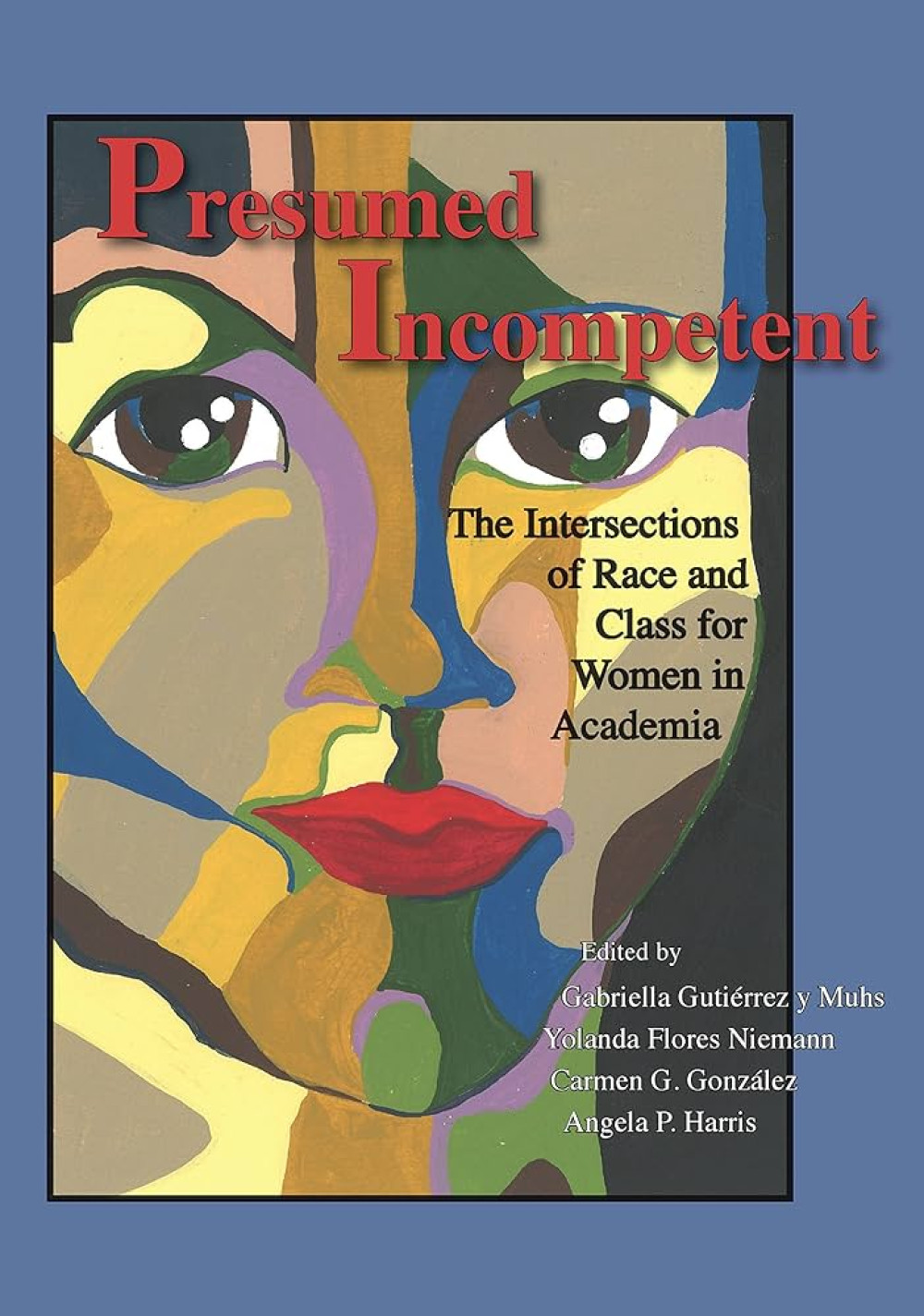
Presumed Incompetent: The Intersections of Race and Class for Women in Academia

Gabriella Gutiérrez y Muhs, Yolanda Flores Niemann, Carmen G. Gonzalez and Angela P. Harris

Through personal narratives and empirical studies, this book describes some of the structural conditions of teaching that can contribute to burnout for teaching faculty. 

Headshot of Chavella T. Pittman
Chavella T. Pittman

This resource is helpful due to its descriptions of structural conditions of burnout that have existed over a significant amount of higher education history rather than only focusing on recent history.

View excerpt

Presumed Incompetent: The Intersections of Race and Class for Women in Academia

Gabriella Gutiérrez y Muhs, Yolanda Flores Niemann, Carmen G. Gonzalez and Angela P. Harris
Open resource

Presumed Incompetent is a pathbreaking account of the intersecting roles of race, gender, and class in the working lives of women faculty of color. Through personal narratives and qualitative empirical studies, more than 40 authors expose the daunting challenges faced by academic women of color as they navigate the often hostile terrain of higher education, including hiring, promotion, tenure, and relations with students, colleagues, and administrators. The narratives are filled with wit, wisdom, and concrete recommendations, and provide a window into the struggles of professional women in a racially stratified but increasingly multicultural America.

Was this resource helpful?

Race and Gender Oppression in the Classroom: The Experiences of Women Faculty of Color with White Male Students

Teaching Sociology

This research articles identifies patterned teaching experiences that can contribute to faculty burnout based on interviews with women faculty of color.

Headshot of Chavella T. Pittman
Chavella T. Pittman

This resource is beneficial due to its inclusion of real life examples to help faculty identify teaching situations that might be requiring additional or excessive cognitive, emotional and affective labor from them.

View excerpt

Research shows that an oppressive classroom environment impairs learning and academic performance for students with oppressed identities. Less research examines faculty perceptions of their classroom, but such research could reveal whether an oppressive environment impairs teaching effectiveness. Although the literature shows that women faculty of color spend a disproportionate amount of time teaching, researchers have not systematically examined their classroom experiences. My study relies on transcripts of 17 in-depth interviews with women faculty of color at a large, predominantly white research institution. Despite their legitimate authority as professors, these women describe gendered racism in their classroom interactions with students. Specifically, they depict white male students as challenging their authority, teaching competency, and scholarly expertise, as well as offering subtle and not so subtle threats to their persons and their careers.

Was this resource helpful?

Recognizing Emotional Labor in Academe

Inside Higher Ed

This "Career Advice" essay describes the often invisible emotional (and affective) labor faculty do while teaching, often in response to institutional gaps in student support.

Headshot of Chavella T. Pittman
Chavella T. Pittman

This essay describes the structural gaps that create needs for additional labor from faculty, and it argues that this additional labor can negatively impact faculty well-being.

View excerpt

Typically, tasks that fall in the emotional labor category have no clear location on our CVs. The efforts of faculty of color are even further minimized, as people presume that their support of their own communities is natural or self-serving and thus not work. (In contrast, the efforts of white professors are probably at least noticed by those around them.) Although our labor is rewarded by students’ gratitude and successes, our institutions largely ignore it.

How do we make our institutions value such emotional labor? As a white cisgender woman, considered senior in some academic circles, I feel compelled to use my white cis privilege and institutional status to try to answer this question.

Was this resource helpful?

Want to recommend a resource to add to this collection? Send us an email.